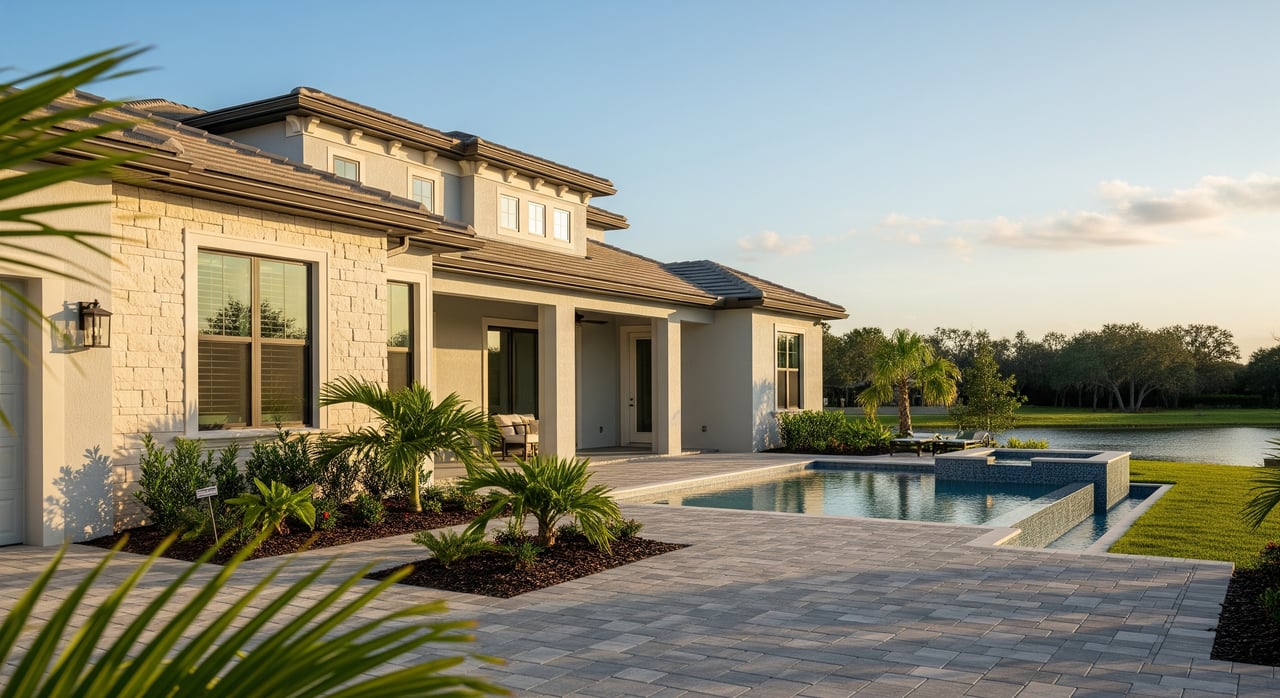
Are you touring model homes in Horizon West and wondering how the process actually works from lot selection to closing day? You are not alone. New construction has its own vocabulary, timelines, and hidden costs that can feel confusing at first. This guide walks you through the steps in Horizon West, explains CDDs, lot premiums, design center choices, inspections, and financing, and helps you compare new builds to resale options. Let’s dive in.
Horizon West new-build basics
Horizon West is a large master-planned area in west Orange County made up of multiple villages. Builders release homes in phases, which means amenities and roads may open at different times. This structure affects lot availability, pricing, and the timeline to move in.
Most new neighborhoods have HOAs with rules and dues, and many also have Community Development Districts (CDDs) that fund infrastructure. CDD assessments are separate from HOA dues and continue for many years. You will want to review the official CDD disclosure, HOA documents, and Orange County records before you commit.
Permits and inspections are governed by Orange County. Builders pull permits and schedule required inspections. You can review permits and inspection logs through county systems to track progress and verify milestones.
Find builders and villages
Active builders in Horizon West change as villages evolve. You can identify who is building by visiting model home rows, checking community site maps, and reviewing county permit activity. Each village can have different architectural styles, lot sizes, and amenity packages, plus its own HOA and CDD structure.
Evaluate each builder before you sign. Check the builder’s license and complaint history with the Florida Department of Business and Professional Regulation. Ask for recent buyer references, and learn how warranty claims are handled. Review the purchase agreement, deposit schedule, allowed changes, and any price escalation clauses.
What to ask a builder
- What is the estimated build timeline by plan and phase?
- Which lots carry premiums and why? Are any incentives available?
- What is included in the base price and what are typical upgrade costs?
- When are design selections due and what happens if deadlines are missed?
- How do warranty requests work after closing and who handles service?
Choose a lot and lot premium
A lot premium is an extra charge above the base home price for lots with desirable features. Premiums often reflect view, size, shape, location near amenities, orientation, and encumbrances. Lake, preserve, corner, cul-de-sac, and wider lots often cost more.
Negotiation depends on supply and demand. In high-demand phases, premiums are often firm. During slower periods or end-of-quarter promotions, you may see concessions. Builders sometimes offer upgrade credits instead of lowering the premium.
Before you commit to a lot, request the recorded plat, a site plan, and a lot grading plan. Confirm setback lines, easements, and drainage. Review HOA guidelines for fencing, pools, and exterior standards so you understand future options for the yard.
Design center selections
You will make two major types of choices: structural options and finish selections. Structural items like ceiling height, room extensions, windows, and garage changes usually must be finalized before permits and framing. Finishes like flooring, cabinets, counters, fixtures, and lighting follow a builder schedule and must be completed within set windows.
Many builders include allowances for select items. If you exceed the allowance, you pay the difference through addenda before closing. Change orders after construction begins may include markups and can extend your timeline, so plan carefully and meet your deadlines.
Best practice is to prepare a must-have vs nice-to-have list before your design appointment. Ask for a written timeline that shows each deadline and the policy for missed cutoffs or price increases. Request full written estimates that include taxes and contractor markups for any changes.
Inspections and quality checks
Orange County conducts inspections at key stages, including foundation, framing and sheathing, rough mechanicals, insulation, and final approvals. The builder will also have internal quality control and field supervision. You should ask for a copy of the build schedule with inspection windows.
You can hire an independent third-party inspector. Many buyers schedule inspections at three points: pre-pour or foundation, pre-drywall, and final. Confirm the builder’s access policy in writing and coordinate dates to align with construction milestones.
Before move-in, the builder completes a pre-final walkthrough and then a final walkthrough to create a punch list. A Certificate of Occupancy (CO) is issued by the county when the home meets standards. Do not plan to move in before the CO is issued.
Financing and contracts
There are two common paths. A spec or inventory home is already built or near completion. These often close in 30 to 60 days once financing and title are ready. A presale on your selected lot is built to order and can take 6 to 12 months depending on plan complexity, permitting, and builder backlog.
Standard mortgages work for completed homes. Construction and construction-to-permanent loans are sometimes used for custom situations, but are less common when you buy directly from a builder who controls the build. Appraisals for presales are based on the finished home using comparable sales and builder price lists.
Builders typically require deposits at contract and sometimes before permitting. Review the contract for price escalation language tied to materials, as well as delivery delays and force majeure clauses. Confirm title and any recorded CDD liens with the settlement agent.
Timeline to closing
Expect a target closing tied to issuance of the CO. Material shortages, weather, and inspection availability can shift the date. If you are selling another home or relocating, build flexibility into your move plan and ask the builder to update you on schedule changes.
For presale homes, your selection deadlines, inspections, and lender milestones all feed into the final date. For specs, focus on the appraisal, loan approval, title commitment, and final walkthrough and punch list.
Warranties and ongoing costs
Most Horizon West builders offer a standard warranty structure: workmanship and materials are commonly covered for 1 year, systems often for 2 years, and major structural elements for up to 10 years. Many use a third-party structural program such as 2-10 Home Buyers Warranty, but you should verify your builder’s exact terms and claim process.
Plan for ongoing ownership costs. Budget for HOA dues, separate CDD assessments, property taxes, and insurance. Ask what landscaping and irrigation are included, and what you must add after closing. Verify flood zone status and utility setup so you understand your monthly total.
New vs resale in Horizon West
New construction offers customization, modern layouts, and builder warranties. You can choose finishes and floor plans that fit your lifestyle. New systems and energy features can reduce early maintenance.
The tradeoffs are time and cost. Presales take months and often include lot premiums and upgrade costs. New neighborhoods can feel like a work zone as amenities and roads finish out. CDDs are common in new phases and add to your monthly total.
Resale homes offer immediate occupancy, mature landscaping, and the ability to compare many closed sales for pricing leverage. In some cases, the total cost for a well-kept resale can be lower than a comparable new build. School assignments for both new and resale homes are set by Orange County Public Schools. Because new growth can lead to rezoning, verify current assignments directly with the district.
Key comparison points to weigh:
- Move-in timing: spec vs presale vs resale
- Total monthly cost: mortgage, HOA, CDD, utilities, insurance
- Community timeline: amenity completion and construction nearby
- Long-term value: lot location and village plan
Buyer checklist
Before signing
- Current community map, recorded plat, and your lot’s site and grading plan
- HOA covenants and budget, including the amenity build schedule
- CDD disclosure and bond schedule with projected assessments
- Builder purchase agreement with deposit schedule and escalation clauses
- Copy of the builder warranty and claim process
- Builder license verification through the Florida DBPR
During construction
- Build schedule with design and change-order deadlines
- Permit numbers and inspection log via county systems
- Access and contact info for the on-site field supervisor
- Independent inspections at foundation, pre-drywall, and final, per builder access rules
Before closing
- Final walkthrough with a documented punch list and correction deadlines
- Issued Certificate of Occupancy from the county
- Final HOA and CDD figures and any required estoppels
- Title commitment and survey if provided by the contract
After closing
- Warranty submission portal and service contacts
- Copies of change orders and receipts for upgrades
- Utility setup confirmation and property tax account setup
Make your move with Team Gabriel
New construction in Horizon West can be an excellent choice when you understand the steps, documents, and timelines. With a clear plan, you can select the right village, secure the right lot, keep your design choices on budget, and protect your interests from contract to closing. If you want a high-touch partner who understands builder processes, relocation timelines, and total cost planning, we are here to help.
Have questions about a specific community or phase? Connect with Andrea Alonso for a focused strategy on Horizon West new construction and nearby resale options.
FAQs
How long does new construction take in Horizon West?
- Presales typically take about 6 to 12 months depending on plan, permitting, and builder backlog. Spec homes often close in 30 to 60 days once financing and title are ready.
What is a CDD and how does it affect my payment?
- A CDD funds community infrastructure and charges a separate annual assessment in addition to HOA dues. Review the specific CDD disclosure and bond schedule to understand the amount and duration.
Should I hire a third-party inspector for a new build?
- Yes. Independent inspections at foundation, pre-drywall, and final provide an extra layer of quality control and documentation, and should be scheduled within the builder’s access policy.
Can I negotiate lot premiums or upgrades?
- Sometimes. In slower phases or during promotions you may see concessions. Builders often prefer offering upgrade credits rather than reducing a lot premium on high-demand lots.
What happens at the design center and when?
- You select structural options early, then make finish choices on a set schedule. Missing deadlines can lead to default selections or change-order fees, so ask for all deadlines in writing.
How do new builds compare to resale on total cost?
- New builds can have lot premiums, CDDs, and upgrades, while resale may offer immediate occupancy and lower total cost in some cases. Compare mortgage, HOA, CDD, insurance, and utilities for each property.