Trying to decide between a Miami condo and a Central Florida home near the parks? You are not alone. Both markets offer strong lifestyle and investment upside, but they move differently and come with unique ownership costs and rules. In this guide, you will learn how inventory, pricing, days on market, rental potential, and risk vary between Greater Miami and the Orlando area so you can buy with confidence. Let’s dive in.
Miami vs Central Florida at a glance
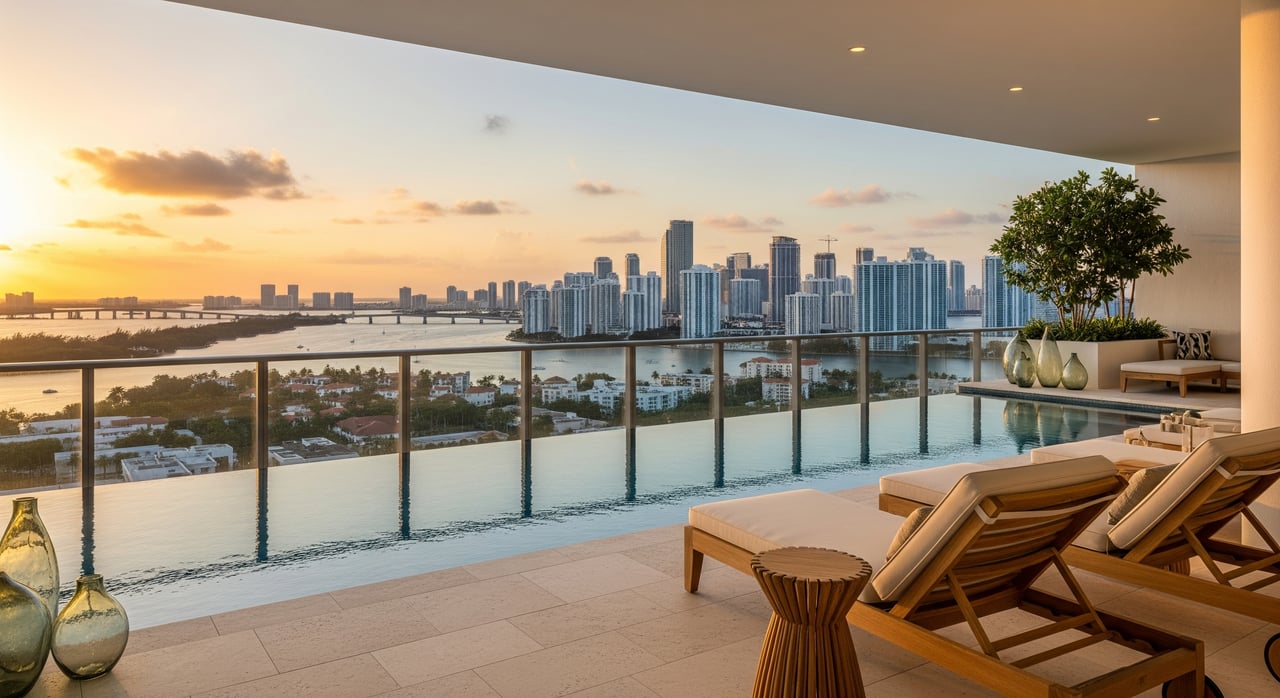
Miami feels urban and coastal. You see more high‑rise condos in neighborhoods like Brickell and Miami Beach, with strong international demand and a notable luxury segment. Land is constrained in the urban core, and ownership costs can be higher due to insurance and condo expenses.
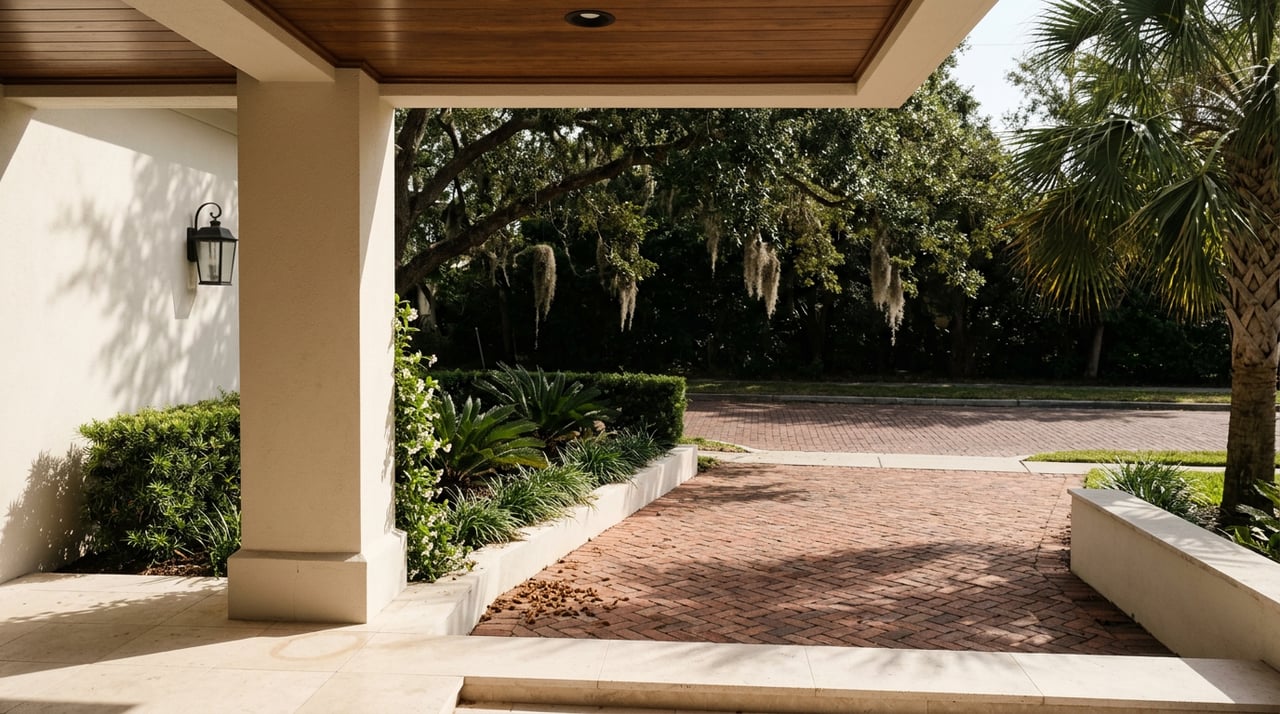
Orlando is more suburban and single‑family focused. New construction and master‑planned communities are common, with steady in‑migration tied to healthcare, logistics, hospitality, and tech. Short‑term rentals cluster around the theme parks, and many buyers prioritize more space for the price.
For current local metrics and trends, review the latest releases from MIAMI REALTORS market research, the Orlando Regional REALTOR Association market reports, and Florida Realtors statewide data.
Inventory and pricing patterns
Inventory looks different by property type. Miami typically has tighter single‑family supply in desirable neighborhoods, with periods of larger condo inventory when new towers deliver or investors sell. Orlando often shows more visible single‑family supply across suburbs, including frequent new‑build releases.
Prices reflect these structures. Miami’s core areas often command higher median prices and higher price per square foot, especially in coastal and urban micro‑markets. Orlando tends to offer larger floor plans for the money and steadier appreciation that tracks population growth and new‑home absorption.
To compare longer‑term price trends across metros, consult the FHFA House Price Index. For current median prices, month‑over‑month shifts, and price per square foot by area, use the reports linked above.
Days on market and timing
Speed varies by neighborhood and cycle. Miami condos in top submarkets can move quickly when demand is strong, while higher carrying costs and interest‑rate shifts have extended timelines in some buildings. Orlando’s suburban single‑family listings can sell quickly in popular districts, but you may see longer days on market in outlying areas or during slower seasons.
Seasonality also matters. Miami’s cooler months often bring more activity from seasonal residents and international buyers. Orlando’s transaction pace tracks tourism patterns and new‑construction deliveries tied to the theme‑park corridor.
Miami micro‑markets to know
Brickell
Brickell is a high‑rise condo hub with walkability, dining, transit access, and a large professional workforce. Expect higher condo fees in amenity‑rich buildings, structured parking, and association rules that may include rental minimums. If you plan to rent, verify building policies, reserves, and any special assessments.
Miami Beach and coastal zones
Coastal living comes with elevated flood considerations and potentially higher insurance. Sea‑level resilience projects and elevation vary block by block. Short‑term rental activity exists in select corridors, but rules are strict, so check the City of Miami Beach short‑term rental guidance before you model returns.
Kendall and suburban Miami‑Dade
Kendall offers more single‑family options and larger lots compared with the urban core. Commuter patterns lean toward central Miami employment centers. If space and a suburban lifestyle are priorities, Kendall can be a useful comparison to Orlando‑area suburbs.
Orlando options in brief
Lake Nona
Lake Nona blends modern master‑planned amenities with job growth in medical and tech. Newer construction, community amenities, and proximity to employment centers support buyer demand.
Dr. Phillips, Winter Park, College Park
These established areas offer a range of price tiers and housing styles. You will find different neighborhood characters and commute profiles, along with a mature housing stock. Compare maintenance costs, HOA covenants, and access to services when evaluating options.
Kissimmee and the resort corridor
This area sees heavy short‑term rental activity due to proximity to the theme parks. Rules vary by community and municipality, so confirm HOA restrictions, county overlays, and licensing steps with the City of Orlando short‑term rental overview if you are within city limits, and verify rules for properties in surrounding jurisdictions.
Ownership costs and risk checks
Condo governance and reserves matter in Miami. Many buildings have robust amenities that raise monthly fees, and older structures may be subject to special assessments. Always review reserve studies, recent meeting minutes, and inspection reports before you commit.
Insurance can be a major line item. Miami has higher exposure to wind and flood, which affects premiums and deductibles. Model costs for windstorm and flood coverage and monitor updates from the Florida Office of Insurance Regulation.
Flood risk is not just coastal. Verify elevation and flood zone for any property and check for required flood insurance using the FEMA Flood Map Service Center. For tax and parcel details, confirm records with the Miami‑Dade Property Appraiser.
Rental potential and rules
Short‑term rentals perform differently by market. Miami’s urban and coastal stays draw leisure, international, and business demand, but regulations vary by municipality and building. Orlando’s tourism corridor caters to family groups near the parks and can be STR‑friendly in select areas, subject to HOA and local rules.
Compliance is critical. If you plan to operate short‑term rentals, check licensing, lodging taxes, safety requirements, and zoning in advance. Start with the official ordinance pages for Miami Beach STR regulations and the City of Orlando STR rules, then verify specifics for your address and HOA.
Investor math also differs. Miami’s higher acquisition costs can compress cap rates, so your underwriting may depend more on premium rents and appreciation. Orlando’s single‑family rentals often deliver stronger initial cash yields due to lower purchase prices and steady family rental demand.
Long‑term appreciation and risk
Both markets have compelling growth stories, but the drivers vary. Miami’s role as an international gateway and constrained coastal land can push values in core neighborhoods, though cycles can be more volatile. Orlando’s growth is tied to ongoing population inflows, job creation, and new‑home absorption.
Evaluate the balance of upside and risk. Consider climate exposure, regulatory shifts, and financing conditions across both metros. For a history of price trends, use the FHFA House Price Index alongside current readings from Florida Realtors.
Buyer checklist: compare Miami vs Orlando
- Define your purpose: primary home, long‑term rental, or short‑term rental.
- Match product type to use: urban condo in Brickell or beachside, suburban single‑family near Orlando attractions, or a suburban Miami‑Dade option like Kendall.
- Gather local data: median price, price per square foot, months of inventory, days on market, and list‑to‑sale ratios from MIAMI REALTORS reports, ORRA market reports, and Florida Realtors data.
- Underwrite the whole cost: principal and interest, taxes, HOA or condo fees, wind and flood insurance, reserves, and potential assessments.
- Verify rules: condo bylaws, HOA covenants, rental restrictions, municipal STR licensing and taxes, and building rental minimums.
- Check physical risk: elevation, FEMA flood zone, wind‑mitigation features, engineering reports for older condos.
- Confirm parcel details: taxes, homestead eligibility, and recent assessments with the Miami‑Dade Property Appraiser.
- Stress test financing: rate shocks, insurance changes, and vacancy.
Which market fits your goals
- You want walkability, transit, and a vertical lifestyle: focus on Brickell and central Miami, and prepare for higher condo fees and governance.
- You want more space for the price and newer builds: look to Orlando suburbs or to Kendall for a suburban Miami alternative.
- You seek cash flow today: Orlando’s single‑family rentals and certain resort‑area STRs often pencil better on initial yield. Confirm STR eligibility before you buy.
- You are comfortable with cycles and want upside: Miami’s core and coastal areas can offer outsized appreciation potential. Underwrite insurance, assessments, and flood risk with care.
Ready to compare properties and run the numbers side by side? Get concierge, bilingual guidance across both markets. Connect with Andrea Alonso to start your Florida search.
FAQs
What sets Miami’s condo market apart for buyers?
- Miami’s core neighborhoods offer a high concentration of condos with strong amenity packages, which can mean higher monthly fees and association rules that shape rental options and carrying costs.
How do short‑term rental rules differ in Miami Beach and Orlando?
- Miami Beach has strict STR regulations with defined zones and licensing, while Orlando allows certain hosted STR types within city limits, so always confirm current rules and HOA policies for your specific address.
How should I estimate insurance costs in Miami vs Orlando?
- Start with wind and flood exposure for each property, price policies based on location and building type, and monitor updates from the Florida Office of Insurance Regulation for market conditions.
When is the best time of year to shop in Miami or Orlando?
- Miami often sees more listing and buyer activity in cooler months, while Orlando’s pace aligns with tourism and new‑construction releases, so timing can affect selection and negotiation.
Brickell or Lake Nona for appreciation potential?
- Brickell can offer strong upside in tight urban submarkets but with more volatility and condo costs, while Lake Nona’s growth links to ongoing employment expansion and new‑home absorption in a master‑planned setting.