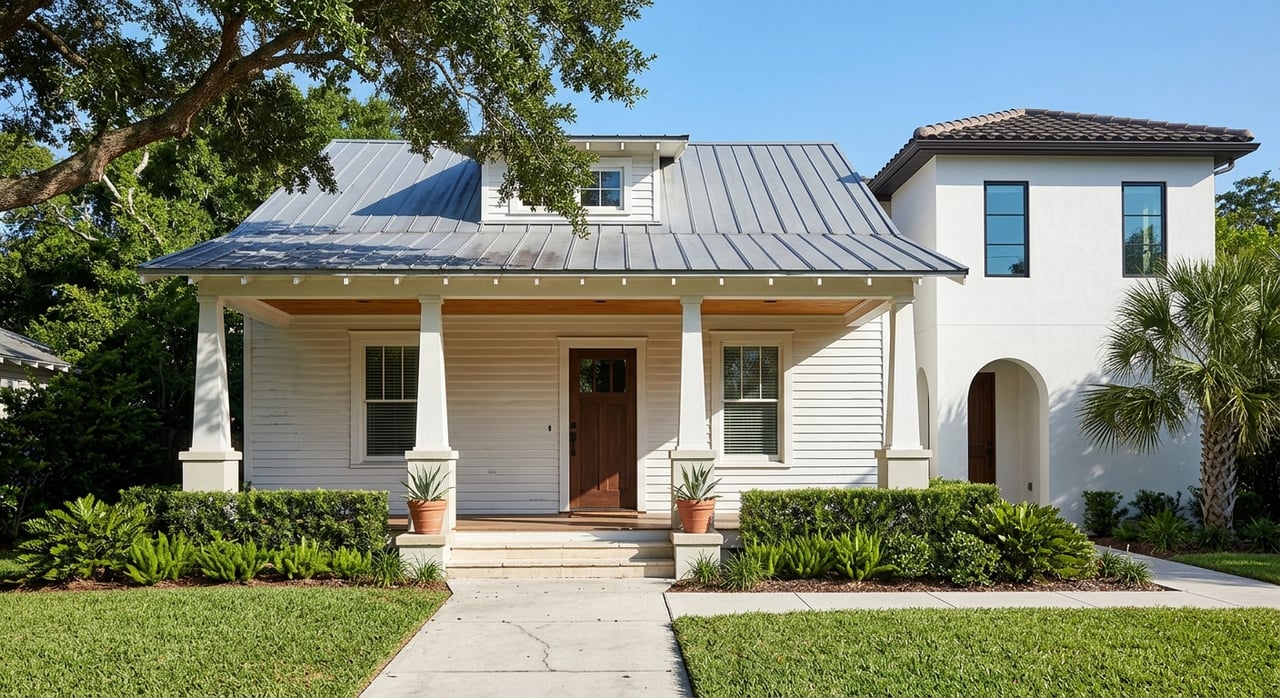
Choosing between a historic home and a new luxury build in Winter Park is not just about style. It is about how you want to live, what kind of upkeep you can handle, and how much flexibility you want if you make changes later. If you are weighing charm against convenience, this guide will help you compare the tradeoffs, understand local rules, and make a more confident decision in Winter Park. Let’s dive in.
Why Winter Park Offers Both
Winter Park stands out because it has a deep mix of older architecture and newer luxury construction. According to the City of Winter Park historic preservation program, the city has recorded more than 700 historic structures, which is about 7% of residential dwellings.
That variety gives you real choices. You may find a front-porch bungalow in an older neighborhood pattern, a larger estate with Mediterranean or Colonial Revival details, or a newer luxury home designed to fit today’s expectations for layout and finishes.
The city identifies several early-20th-century styles that still shape Winter Park’s look, including Bungalow, Colonial Revival, Spanish Colonial, Mediterranean Revival, and Mission Revival. Historic districts include local districts such as College Quarter Historic District and Virginia Heights East Historic District, along with national-register areas like Downtown Winter Park and Interlachen Avenue.
What Historic Homes Feel Like
Bungalows Offer Scale and Character
Winter Park’s bungalow homes are often one or one-and-one-half stories with front porches and dormers. In the city’s architectural survey, many of these homes are described as vernacular and historically tied to areas such as College Place and Hannibal Square.
If you are drawn to walkable blocks, smaller lot patterns, and a more established streetscape, this type of home may feel especially appealing. Buyers often value the sense of neighborhood scale and the details that are harder to replicate in newer construction.
Historic Estates Bring Presence
Winter Park’s historic estate inventory is very different from its bungalow stock. The same city survey describes higher-style Colonial Revival, Spanish Colonial, and Mediterranean Revival homes along streets such as Virginia Drive, Via Tuscany, Palmer Avenue, and near lakefront areas around Lake Maitland and Lake Osceola.
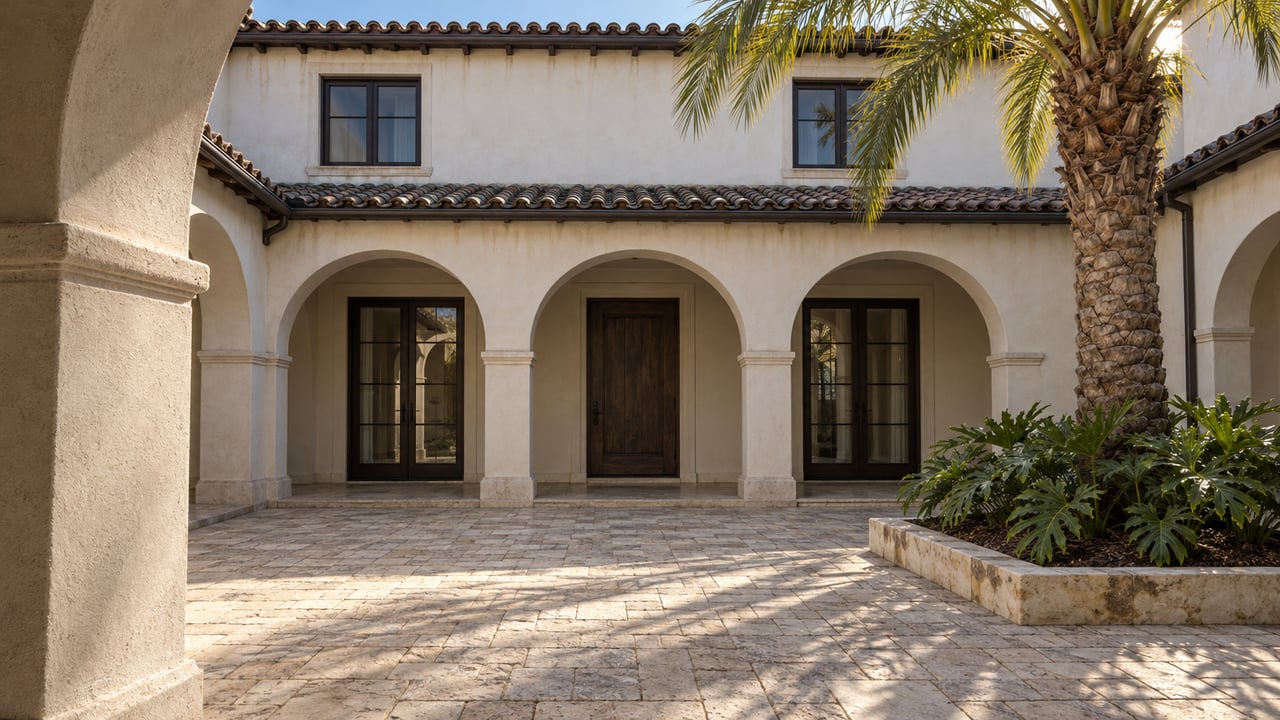
These homes often include stucco walls, shallow-pitched roofs, barrel tile, loggias, and more formal massing. If you want architectural presence and a property that feels rooted in Winter Park’s design history, these homes can deliver that in a way newer builds may not.
What New Luxury Builds Change
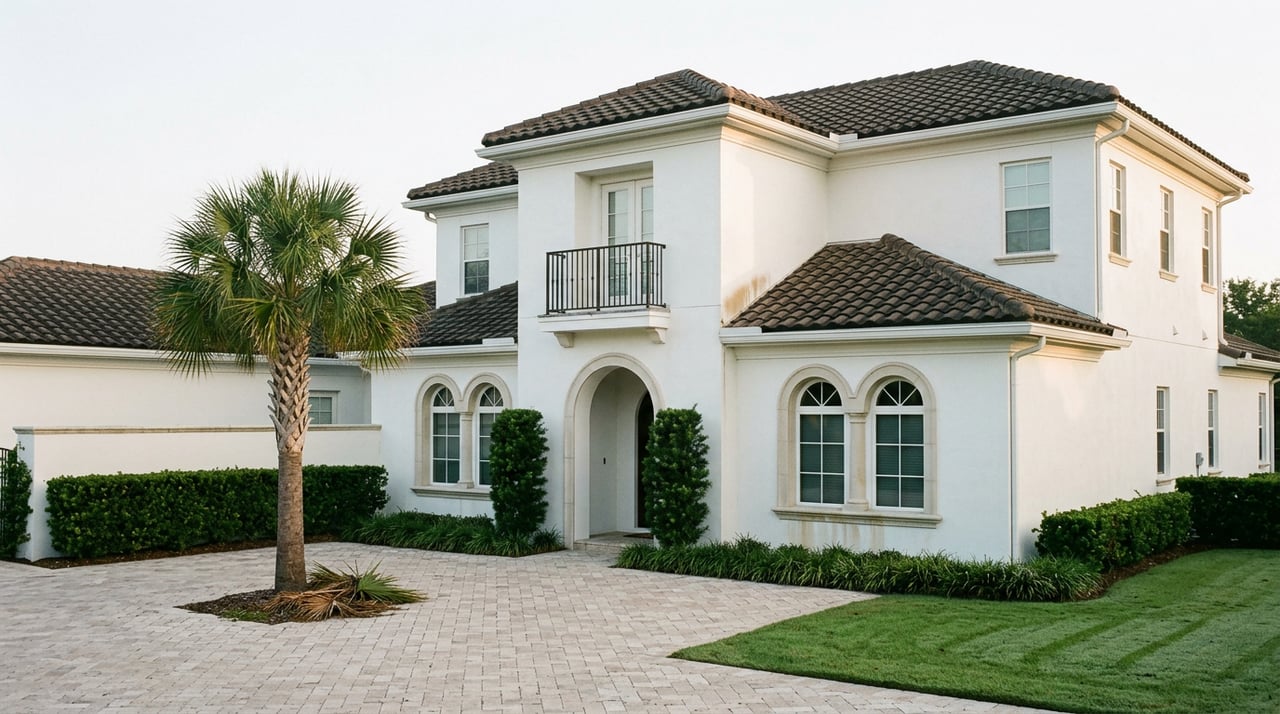
Newer luxury homes usually shift the conversation from preservation concerns to convenience, layout, and finish level. You may get a more contemporary floor plan, newer systems, and less uncertainty around restoring older materials.
That said, a new home in Winter Park is not always free from design constraints. The city notes that new construction can still occur in a historic district, but it should complement the area’s traditional patterns, including height, roof form, materials, massing, setbacks, and the rhythm of openings.
So if you are considering a new luxury build, location still matters. A newly built home in or near a protected area may be easier to own from a maintenance standpoint, but exterior changes may still need to respect the surrounding context.
Historic Rules You Should Understand
Designation Does Not Change Taxes
One common concern is property taxes. Winter Park states that historic designation does not affect property taxes.
The city also says there are no fees for historic designation or design review. Just as important, designation does not require you to restore the home or make changes simply because the property is historic.
Interior Work Is Usually Simpler
If you want to remodel inside the home, the rules are often more flexible than buyers expect. The city says interior remodeling of a designated structure is not reviewed by the Historic Preservation Board.
Still, owners may want to preserve features such as heart pine floors, cypress paneling, built-ins, and original fixtures when possible. Those details can be part of what gives the home long-term appeal and identity.
Exterior Changes Need More Planning
Exterior work is where review becomes more important. Winter Park explains that additions should usually be placed on secondary facades and remain compatible in scale and character with the original structure.
The city also notes that many historic properties are nonconforming under today’s land development code, so variances may sometimes be needed. Minor exterior alterations that stay consistent with the current architectural style may be exempt from certificate-of-review requirements, but larger changes, demolition, or substantial exterior alteration can require more review under the city’s historic preservation ordinance update.
HOA Rules Can Matter in Newer Homes
If a newer luxury home is in an HOA-governed community, your due diligence should shift toward private rules and financial obligations. Under Florida’s Homeowners’ Association Act, an HOA can review the location, size, type, or appearance of improvements only to the extent that authority is stated or reasonably inferred in the governing documents.
That means the declaration, bylaws, rules, budgets, and disclosures matter. The same statute says unpaid assessments or amenity fees can become a lien, which makes financial review just as important as reviewing design rules.
For buyers, this is not just a paperwork exercise. If the required HOA disclosure summary is not delivered before contract signing, Florida law allows the buyer to void the contract within a limited period after receiving it or before closing, whichever comes first.
Some Homes May Have Both Layers
It is easy to assume a newer property will be simpler to modify than a historic home. Sometimes that is true, but not always.
If a property is located within a historic overlay and also governed by an HOA, you may face two separate approval paths for exterior changes. That can mean city review on one side and association review on the other, so it is smart to verify both before you make an offer.
How the Market Supports Each Option
Winter Park’s market does not fit into one simple price point. Different data sources report different figures depending on methodology and timing, so it is better to view the market as a range rather than rely on one exact number.
For example, Realtor.com’s Winter Park market overview describes the market as balanced, while premium activity remains concentrated in areas like 32789. In the 32789 ZIP overview, the median listing price is reported at $1,155,500, with a 98% sale-to-list ratio and about 2.3 times more listing views than the national average.
That same source shows Virginia Heights with a median home price of $1,657,500 and median days on market of 61. The takeaway is clear: premium historic and luxury pockets in Winter Park can support strong pricing, but homes do not all move at the same speed.
Supply can also be very limited in smaller historic pockets. Realtor.com’s 32789 neighborhood data showed just 6 homes for sale in the Interlachen Avenue Historic District and none in College Place at the time of reporting, which suggests that some character-driven segments may have tighter inventory and a narrower but motivated buyer pool.
Which Option Fits Your Goals?
Choose Historic if You Value Originality
A historic bungalow or estate may be the better fit if you want:
- Architectural character that feels specific to Winter Park
- Older neighborhood scale and established streetscapes
- Original materials and design details
- Long-term appeal tied to preservation and neighborhood identity
- A home you are comfortable maintaining within city guidelines
This option often works well for buyers who see the house itself as part of the lifestyle.
Choose New Luxury if You Value Ease
A newer luxury home may be the better fit if you want:
- More current floor plans and finishes
- Less preservation-specific maintenance
- A simpler path for everyday ownership
- Newer systems and a more turnkey feel
- A home that may align with modern design priorities
This choice can be especially appealing if you want convenience, but you still need to review HOA rules, dues, assessments, and any architectural controls carefully.
A Smart Buying Checklist
Before you move forward on either type of property, confirm these details:
- Whether the home is under a historic overlay
- Whether the property is in an HOA or subject to private covenants
- What exterior changes require approval
- Whether additions, major renovations, or demolition are realistic
- Whether there are assessment obligations or amenity fees
- How long approval timelines may take for planned changes
This is where a detailed, concierge-style process matters. In a market like Winter Park, the right home is not just the one that looks best online. It is the one that fits your goals, risk tolerance, and long-term plans.
If you are comparing a character-filled historic property with a sleek newer luxury home, the best choice usually comes down to how you want to balance design, flexibility, and future resale. When you want clear guidance through that decision, Andrea Alonso can help you evaluate the details and move forward with confidence.
FAQs
Does historic designation in Winter Park change property taxes?
- No. The City of Winter Park states that historic designation does not affect property taxes.
Are interior remodels reviewed for designated historic homes in Winter Park?
- No. The city says interior remodeling of a designated structure is not reviewed by the Historic Preservation Board.
Can you add onto a historic home in Winter Park?
- Yes, but additions typically need to be compatible in scale and character and are usually expected on secondary facades, with some projects requiring additional review.
Can new construction be built in a Winter Park historic district?
- Yes. The city allows new construction in historic districts, but it should complement the district’s traditional patterns rather than ignore them.
What can an HOA restrict for a newer luxury home in Florida?
- Under Florida law, an HOA’s design-review authority must be stated or reasonably inferred from the governing documents, so buyers should review the declaration, rules, and disclosures carefully.
How does resale differ between Winter Park historic homes and new luxury builds?
- Both can perform well, but premium historic and luxury pockets in Winter Park show strong pricing while inventory and days on market can vary by neighborhood and property type.